Were you searching for info concerning Think Twice Before Flushing Food Down Your Toilet?
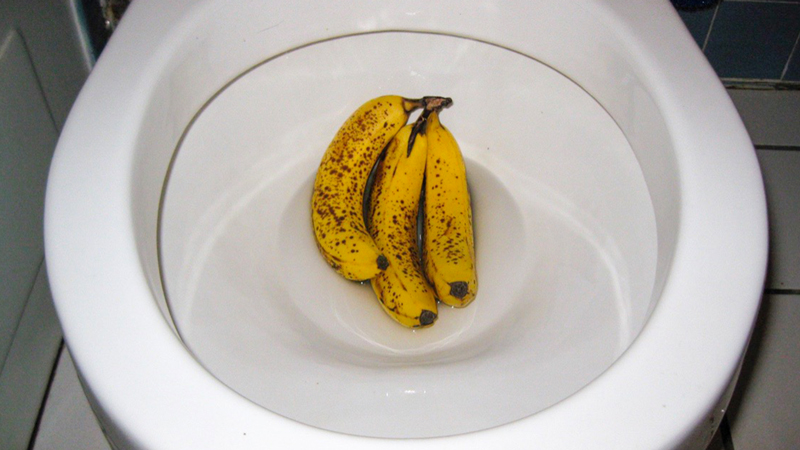
Introduction
Lots of people are typically confronted with the dilemma of what to do with food waste, especially when it involves leftovers or scraps. One common inquiry that arises is whether it's okay to flush food down the toilet. In this write-up, we'll explore the reasons people may think about purging food, the repercussions of doing so, and alternate techniques for proper disposal.
Reasons why individuals could take into consideration flushing food
Absence of awareness
Some people may not know the potential injury caused by flushing food down the toilet. They might erroneously believe that it's a safe method.
Convenience
Purging food down the toilet might feel like a fast and very easy solution to throwing away undesirable scraps, especially when there's no neighboring trash can available.
Idleness
In some cases, people may just pick to flush food out of sheer idleness, without thinking about the consequences of their activities.
Consequences of flushing food down the bathroom
Environmental impact
Food waste that winds up in rivers can contribute to pollution and damage aquatic ecological communities. Furthermore, the water made use of to flush food can strain water resources.
Plumbing issues
Flushing food can bring about clogged up pipelines and drains, creating costly pipes repair services and troubles.
Types of food that must not be purged
Coarse foods
Foods with coarse appearances such as celery or corn husks can obtain entangled in pipelines and trigger obstructions.
Starchy foods
Starchy foods like pasta and rice can soak up water and swell, bring about obstructions in pipes.
Oils and fats
Greasy foods like bacon or food preparation oils need to never be flushed down the commode as they can strengthen and trigger obstructions.
Proper disposal techniques for food waste
Making use of a waste disposal unit
For homes geared up with garbage disposals, food scraps can be ground up and purged through the plumbing system. Nevertheless, not all foods appropriate for disposal in this way.
Recycling
Particular food packaging materials can be reused, minimizing waste and decreasing environmental impact.
Composting
Composting is an environment-friendly means to throw away food waste. Organic products can be composted and used to enrich soil for horticulture.
The significance of appropriate waste administration
Decreasing environmental injury
Proper waste administration methods, such as composting and recycling, help decrease air pollution and preserve natural resources for future generations.
Safeguarding plumbing systems
By staying clear of the technique of flushing food down the commode, property owners can stop expensive pipes fixings and preserve the stability of their plumbing systems.
Final thought
In conclusion, while it might be tempting to purge food down the toilet for convenience, it is essential to recognize the possible effects of this activity. By adopting proper waste monitoring methods and disposing of food waste properly, individuals can contribute to healthier pipes systems and a cleaner environment for all.
FLUSH FOOD DOWN THE TOILET?
FLUSHING FOOD CAN CAUSE BLOCKED DRAINS IN YOUR HOME
All of the plumbing fixtures in your home are connected to the same sewer pipe outside of your home. This outdoor sewer pipe is responsible for transporting all the wastewater from your home to the Council sewer mains. Even small pieces of food that go down the kitchen sink can cause problems for your sewer. It should therefore be obvious that flushing larger bits of food, such as meat, risks a clog in either the toilet itself or the sewer pipes. Flushing greasy food is even more problematic because oil coagulates when it cools, coating the interior lining of your pipes.
THE TOILET IS NOT A BIN
Food isn’t the only thing that people shouldn’t be flushing down the toilet. People use the toilet to dispose of all kinds of things such as tampons, makeup wipes, dental floss, kitty litter and even underwear. Water goes to great lengths to educate residents about the high costs and stress placed on wastewater treatment systems simply from people flushing the wrong stuff down the toilet. It costs taxpayers millions of dollars each year, and homeowners thousands in blocked drain repairs.
FLUSHING FOOD IS A WASTE OF WATER
Flushing food is a waste of our most precious resource - water. In June this year Level 1 water restrictions were introduced to protect water supply from drought conditions. Much of New South Wales continues to be affected by prolonged drought with recent figures revealing up to 97 per cent of the state remains in drought. Depending on whether you have a single or dual flush toilet, every single flush uses between five and 11 litres of water. In the current climate this is a huge amount of water to be wasting on flushing food that should be placed in the bin (or better yet, the compost).
https://www.jabplumbingsolutions.com.au/blog/can-you-flush-food-down-the-toilet
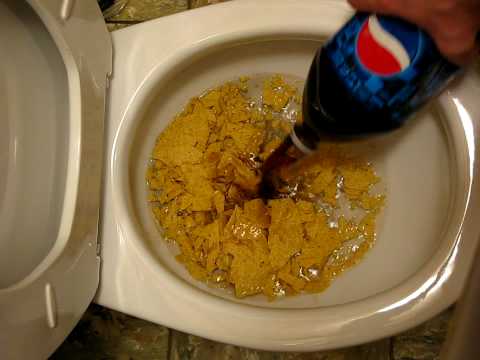
We hope you enjoyed our piece on Flushing Food Down the Toilet?. Thank you for finding the time to read through our posting. So long as you enjoyed our post kindly make sure you remember to share it. We take joy in your readership.
Get Offer